


Written by Miranda Lightstone
As professionals navigating demanding careers, we often prioritize optimizing our performance, upgrading our technology, and maintaining our busy schedules. Yet, we frequently overlook the high-performance instruments driving it all: our eyes. June marks Cataract Awareness Month, an initiative spearheaded by the Canadian Ophthalmological Society (COS) to bring one of the most common vision issues to the forefront.
Cataracts are currently the leading cause of vision loss, affecting more than 2.5 million Canadians. While traditionally associated with adults over the age of 60, the conversation around this condition is rapidly shifting toward a younger demographic.
During a recent discussion, Dr. Chryssa McAlister—a comprehensive eye surgeon based in Kitchener-Waterloo and the Director of Community Practice for the COS board—illuminated why cataracts are gaining traction among younger professionals.
“As a society, our expectations are higher,” Dr. McAlister explained. Previous generations might have quietly tolerated declining vision, but today’s active individuals want to maintain their optimal function throughout their lives. Consequently, patients are presenting to clinics younger, acutely aware of early vision decline and seeking modern solutions.

Understanding the Signs and Risks
A cataract occurs when the eye’s natural lens becomes cloudy, gradually obscuring vision over time. Because these changes often happen slowly, they can begin affecting day-to-day activities before patients fully recognize the impact.
For professionals in their 30s, 40s, and 50s, early signs often manifest during routine daily tasks. Keep an eye out for the following indicators and risk factors:
- Visual Disruptions: Blurry or cloudy vision, and noticing that vibrant colors appear faded.
- Lighting Challenges: Heightened glare from spotlights or headlights during nighttime driving, and a sudden need for significantly brighter room lights to read fine print.
- Prescription Shifts: A rapidly changing glasses prescription, particularly for individuals who are highly near-sighted.
- Health and Lifestyle Risks: Prolonged UV exposure, diabetes, certain medications, and smoking—which is the number one habit to avoid for overall eye disease prevention.
To proactively protect your vision, Dr. Mona Harissi-Dagher, President of the COS, emphasizes the importance of wearing sunglasses that block 100% of UVA and UVB rays to mitigate long-term sun damage.
A Modern Surgical Marvel
If a cataract does develop, the approach to treatment has been completely revolutionized. Cataract surgery is no longer the daunting, prolonged procedure of decades past; it is now the most common and successful surgery globally, boasting a complication risk well under one percent.
Today’s advanced procedures utilize incisions as small as two millimeters. This micro-incision approach means the downtime post-surgery is exceptionally low, allowing patients to safely resume normal activities like bending and lifting almost immediately.
Even more remarkably, modern cataract surgery can serve as a refractive procedure to reduce or completely eliminate a patient’s dependence on glasses. Surgeons now utilize state-of-the-art implants capable of correcting astigmatism and providing a full range of vision, effectively getting patients out of reading glasses. While the standard surgery is covered by provincial health insurance across Canada, these advanced customized implants are optional upgrades that offer tremendous value for those looking to ditch their corrective lenses.
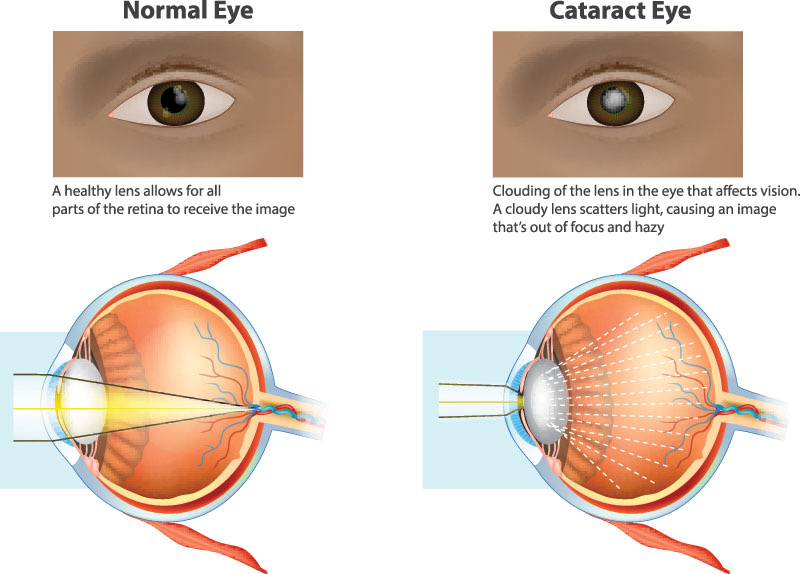
Ultimately, recognizing the gradual onset of cataracts is vital before they begin to severely impact mobility, independence, and overall quality of life. For healthy individuals without specific eye concerns, booking a comprehensive check-up with an optometrist every two years is a strong baseline to catch early signs of age-related eye diseases.
Just as you wouldn’t hit the road in the dead of winter without optimizing your vehicle’s handling and setup, you shouldn’t navigate your career and life with compromised vision. Prioritize your eye health this June, and ensure you’re always seeing the road ahead with perfect clarity.
About the author
Miranda Lightstone

Miranda is an active freelance reporter and content editor. She has an extensive track record writing for outlets such as the Globe and Mail, Montreal Gazette, AskMen.com, MSN Autos, The Suburban and Venture Cover. Miranda is passionate about storytelling and the written word.